

Rabbit Behavior & Bonding
Understanding your rabbit’s behavior is the key to a happy, trusting relationship. Rabbits are deeply emotional, expressive animals — they communicate through body language, routines, and even subtle sounds. Once you learn to “speak bunny,” everything from training to bonding becomes easier and more rewarding.
The journey begins on our waitlist. Join us for upcoming reservation opportunities.
The Language of Rabbits
Rabbits don’t bark or meow — they show you how they feel through movement, posture, and energy.
Common Body Language
- Binkies: joyful jumps and twists — pure happiness!
- Flops: your bunny tipping onto their side — total relaxation
- Loafing: resting tucked-in — calm and comfortable
- Chinning: rubbing their chin — marking their territory (you included!)
- Thumping: a warning signal when scared or alert
- Tooth purring: gentle grinding sound — contentment
Tip: The more you watch your rabbit quietly, the more you’ll start to understand their subtle moods and messages.

Building Trust
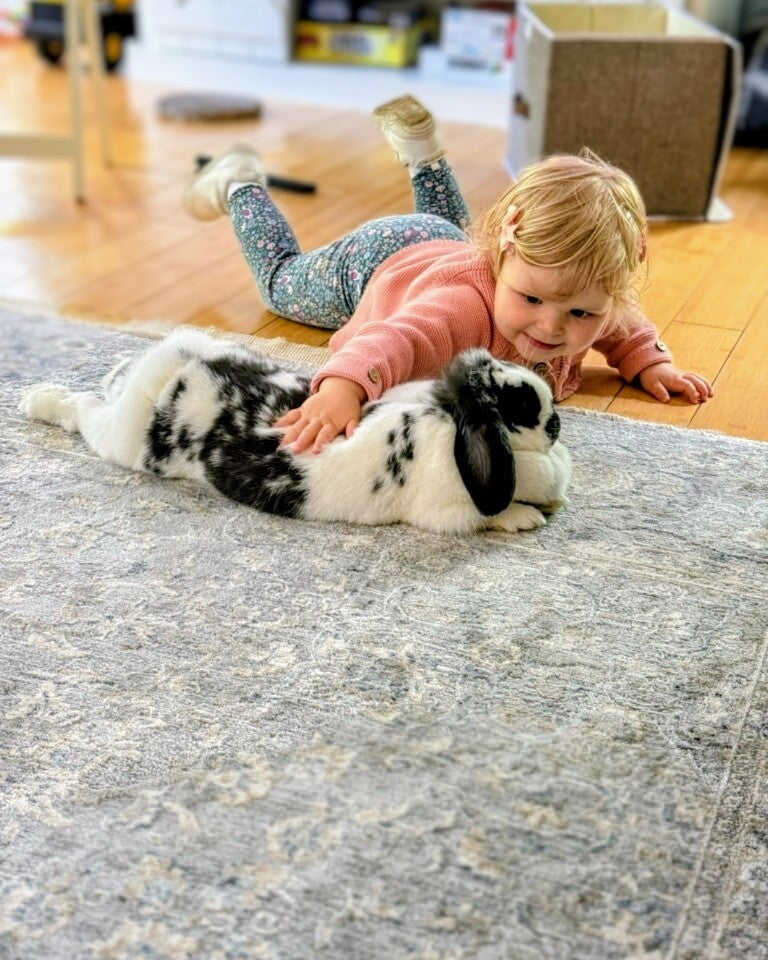
Trust takes time, but it’s the foundation of every good relationship with a rabbit. Go slow, be patient, and let them come to you.
Steps to Build Trust
- Start small — sit near their enclosure quietly each day.
- Offer treats and speak softly so they associate you with good things.
- Avoid sudden grabs or loud noises.
- Let them explore you — allow sniffing and hopping around freely.
Tip: Rabbits trust you when they choose to relax or flop near you — it’s the biggest compliment they can give.
Bonding With Your Bunny
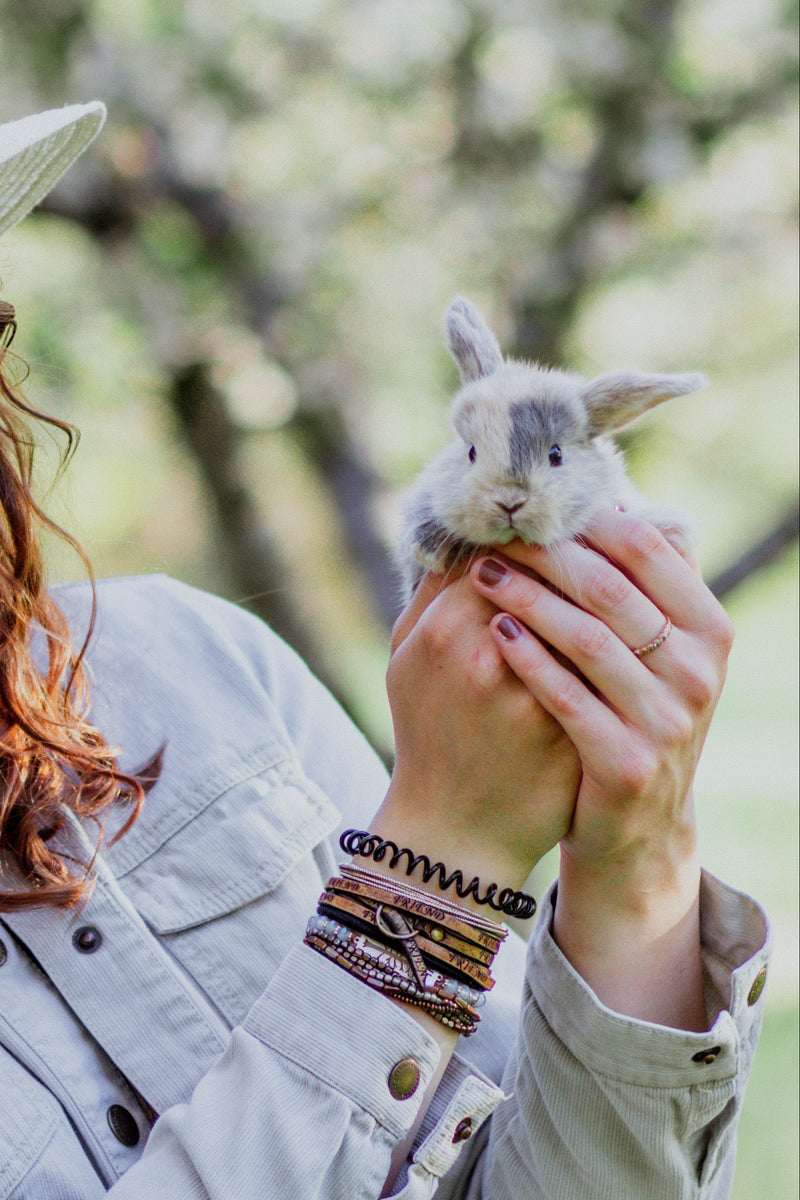
Bonding is a gradual process built through daily care, gentle handling, and shared experiences.
Great Ways to Bond
- Hand-feed greens or small treats
- Sit on the floor at their level
- Groom gently with a soft brush
- Create a calm, predictable routine
- Spend time during their most active hours (morning & evening)
Tip: Rabbits bond most through consistency. The same tone of voice, feeding times, and gentle presence build security over time.
Digging
Digging is a normal bunny behavior that mimics wild habits.
Solutions:
- Create a dig box filled with shredded paper, hay, or soil
- Rotate digging materials for enrichment
- Allow safe supervised floor digging in designated areas
Tip: Encourage natural digging in a controlled space to prevent unwanted carpet or rug destruction.
Litter Box Issues
Even trained rabbits can sometimes stray from the litter box.
Solutions:
- Keep boxes clean and hay nearby
- Place extra boxes in corners your bunny favors
- Monitor for illness — changes in litter habits can signal GI problems
- Reward proper litter use with praise or small treats
Tip: Consistency is key — rabbits thrive on routine.

Aggression or Territorial Behavior
Rabbits may nip, chase, or lunge to mark territory or assert dominance.
Solutions:
- Spay or neuter — hormones influence territorial behavior
- Provide multiple hideouts and separate feeding spots
- Introduce rabbits gradually in neutral territory if bonding
- Avoid sudden movements or grabbing — let the rabbit approach you
Tip: Calm patience wins over punishment — stress can worsen aggressive behavior.
Handling & Socializing
Proper handling helps your rabbit feel safe and builds trust — but it must be gentle and respectful.
Handling Basics
- Always support their hindquarters
- Avoid lifting unless necessary
- Use calm, slow movements
- Let them feel secure — never dangle or restrain tightly
Tip: Many rabbits prefer being petted on the head, cheeks, or back. Avoid sudden grabs or touching their belly and feet until they trust you fully.


Overgrooming & Fur Pulling
Sometimes rabbits pull their own or a cage mate’s fur due to stress, boredom, or discomfort.
Solutions:
- Increase enrichment and playtime
- Check diet for fiber and variety
- Inspect for parasites or skin irritation
- Give separate resting areas for bonded pairs if needed
Tip: Never punish — this behavior signals a need, not defiance.
Behavior Challenges
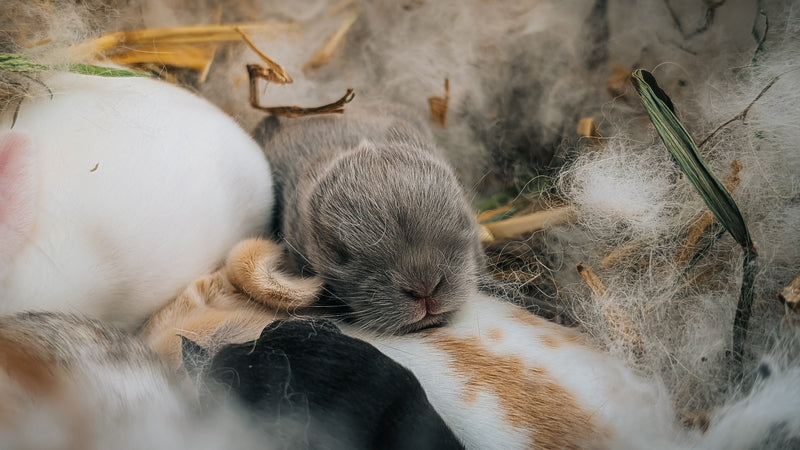
Every rabbit has their quirks! Most behavioral problems come from fear, boredom, or lack of understanding.
Common Concerns
- Chewing: provide safe toys, branches, or mats
- Digging: give a dig box or pile of hay to redirect the urge
- Territorial behavior: spay/neuter helps; respect their space
- Litter habits slipping: check for health issues or re-evaluate setup
Tip: Always look for why a behavior happens before correcting it — rabbits act from instinct, not defiance.
Social Needs and Emotional Health
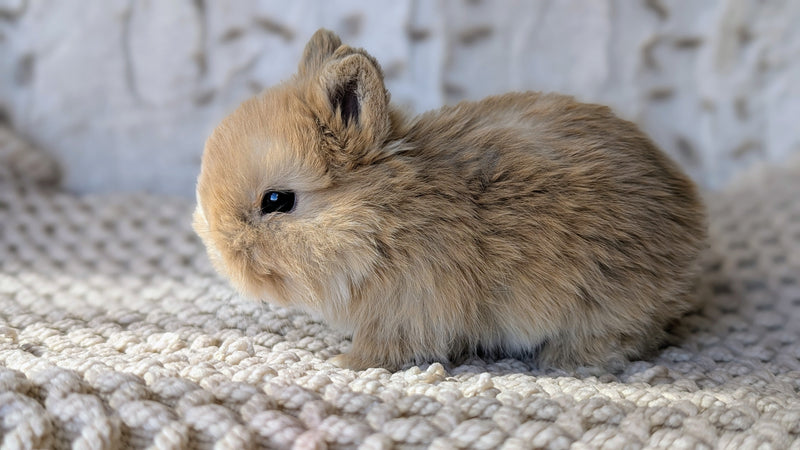
Rabbits are social animals — even a single bunny thrives on connection with their humans. Daily interaction, enrichment, and quiet companionship go a long way.
Support Emotional Wellness
- Talk softly and spend time near them
- Offer hideouts for comfort and security
- Keep a calm environment — rabbits pick up on your energy
- Provide consistent enrichment and routines
Tip: Rabbits remember kindness. The trust you build becomes the heart of your bond — one based on gentleness, respect, and joy.

Bringing it all together
Bonding with your rabbit is a journey — not a task. Through patience, understanding, and steady care, you’ll earn their trust and love in return. A rabbit who feels safe will binky, flop, and seek your company — signs of a heart completely at peace.
Rabbit “problems” are usually just communication or instinct in action. By observing carefully, providing safe outlets for natural behaviors, and responding with patience, you can guide your bunny toward positive habits. The goal isn’t perfection — it’s a happy, confident, and well-understood companion.
You’ve reached the end of our Bunny Care Guide — and now you have the foundation to confidently welcome a bunny into your home. Thoughtful preparation makes all the difference in creating a happy, healthy life for your little one.
If you feel ready to take the next step, we’d love to invite you to join our waitlist for upcoming Lop litters.
We can’t wait to help you find your perfect bunny 🤍
Join Our Community
Stay connected for first access to new arrivals, special offers, and expert bunny care tips. We’ll share thoughtful updates, seasonal releases, and helpful guidance — all designed with your bunny’s wellbeing in mind.
Frequently asked questions
Should I get one or two bunnies?
Rabbits are naturally social animals and truly thrive with a bonded companion. In pairs, they groom one another, play together, and provide constant comfort and security. We consistently see how much happier, more confident, and emotionally balanced bunnies are when they have a friend. While a single bunny can do well with dedicated human interaction, a bonded pair allows them to express their natural behaviors and live a fuller, healthier life. Whenever possible, we encourage adopting an already bonded pair for the smoothest and happiest experience.
Male or female — which is better?
Both males and females make wonderful pets. Personality matters far more than gender. We focus on temperament and will help guide you toward the bunny that best fits your family and lifestyle.
How much does transport cost?
Transport fees depend on distance and travel arrangements. We work carefully with trusted transport options when needed. Once we know your location, we can provide an accurate estimate.
How much do your bunnies cost?
Our adoption fees vary depending on the bunny and pairing. Each bunny is hand-raised with intentional care, early socialization, and ongoing support. For current pricing, please fill out our waitlist form and we’ll happily share more details.
Can my bunnies live outside or inside?
Rabbits can live happily either indoors or outdoors, as long as they are provided with proper care and protection. The most important factors are safety, space, shelter, companionship, and daily interaction.
Indoor rabbits benefit from being closely integrated into family life and are protected from weather and predators. Outdoor rabbits can also thrive when they have secure, predator-proof housing, protection from extreme temperatures, clean bedding, and plenty of enrichment and attention.
Whichever setup you choose, the key is thoughtful preparation and consistent care. We’re always happy to help you determine what environment will work best for your home and climate. 🤍
Which breed is the most friendly?
This is one of the questions we hear most often. While certain breeds have general tendencies, true friendliness comes from intentional breeding and early socialization.
At Lilli’s Lops, we have spent years carefully refining our lines specifically for calm, affectionate, people-oriented temperaments. Our bunnies are not simply bred to meet traditional standards — they are bred to thrive in family homes. Personality is our priority, and it shows in the consistency of our lines.
When choosing a breed, size and coat type are usually the biggest differences — because friendliness is something we intentionally preserve across all of our bunnies.
Our Breeds
Mini Plush Lops
Our Mini Plush Lops are incredibly soft with a dense, velvety coat. They are typically 3–4.5 pounds fully grown. These bunnies tend to be calm, affectionate, and very people-focused, with a slightly more relaxed temperament.
Mini Netherland Dwarf Lops (Our Signature Line)
Our own carefully developed line, created from Holland Lop / Mini Plush Lop × Netherland Dwarf pairings. These bunnies are small, compact lops with the petite size influence of the Netherland Dwarf, typically around 2–3.5 pounds fully grown. They are expressive, sweet, and full of personality — combining compact size with refined, friendly temperaments we have worked generations to establish.
Holland Lops
Small and classic in appearance, usually 2–4 pounds fully grown. They are playful, affectionate, and well-known for their adorable compact build and lopped ears.
Mini Lops
The largest of our breeds, generally 4–6.5 pounds fully grown. Mini Lops are sturdy, confident, and often very easygoing. Many families appreciate their slightly larger size and balanced temperament.
Because we prioritize temperament across generations, you truly can’t go wrong. The “best” breed often comes down to size preference, coat type, and the overall look you love most. We are always happy to help guide you toward the perfect fit for your home. 🤍