

At Lilli's Lops Rabbitry,
our mission has always been to raise happy, healthy, and well-socialized bunnies that thrive in loving homes. One of the most common questions we hear from new or prospective rabbit owners is, “Should I get one rabbit or two?” Our answer is simple and based on both research and years of experience: two is better than one. Here’s why.
Rabbits Are Herd Animals by Nature
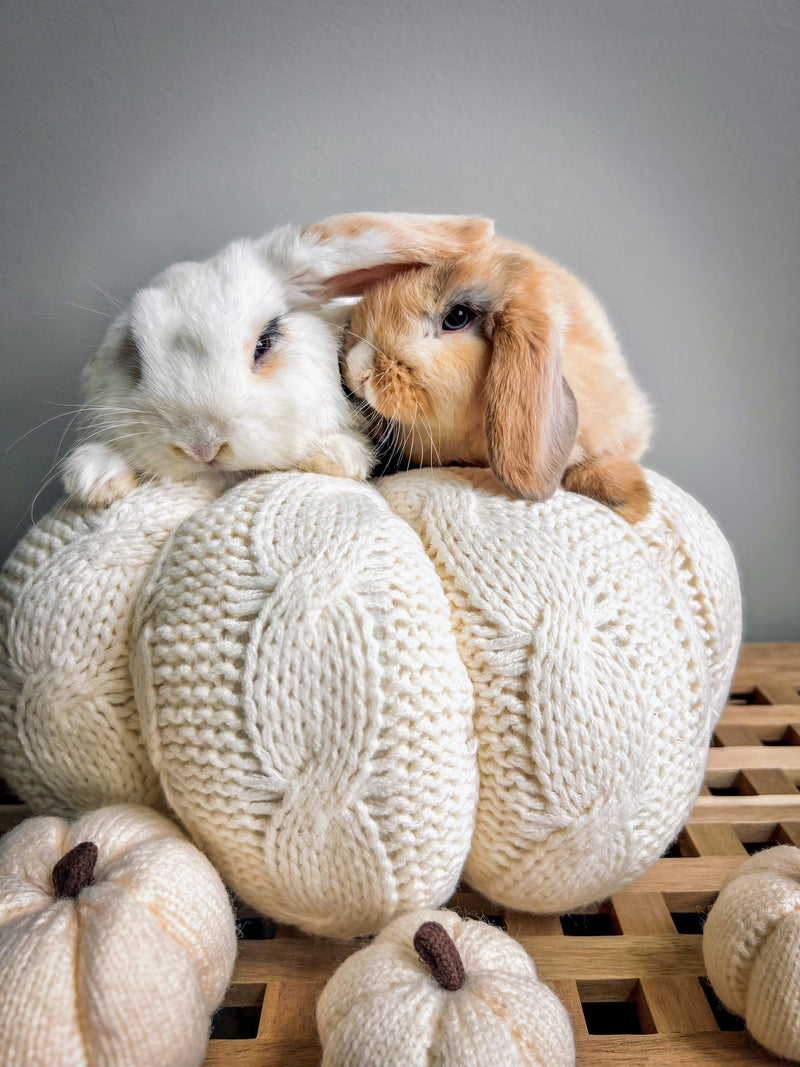
In the wild, rabbits live in complex social structures. They groom each other, cuddle for warmth, and rely on companionship for safety and emotional well-being. Domesticated rabbits may live in our homes instead of underground burrows, but their instincts haven’t changed: they need companionship to truly thrive.
A single rabbit can survive alone—but survival isn't the same as happiness. A bonded pair, on the other hand, flourishes. They exhibit more natural behaviors, are more relaxed, and show greater emotional stability.
Stay Tuned! Reservations COMING SOON.
“Will My Rabbit Still Bond With Me If It Has a Friend?”
This is one of the top concerns we hear, and it’s completely understandable. Many people worry that if their bunny bonds with another rabbit, it won’t form a strong bond with them.
The truth? The opposite is often true.
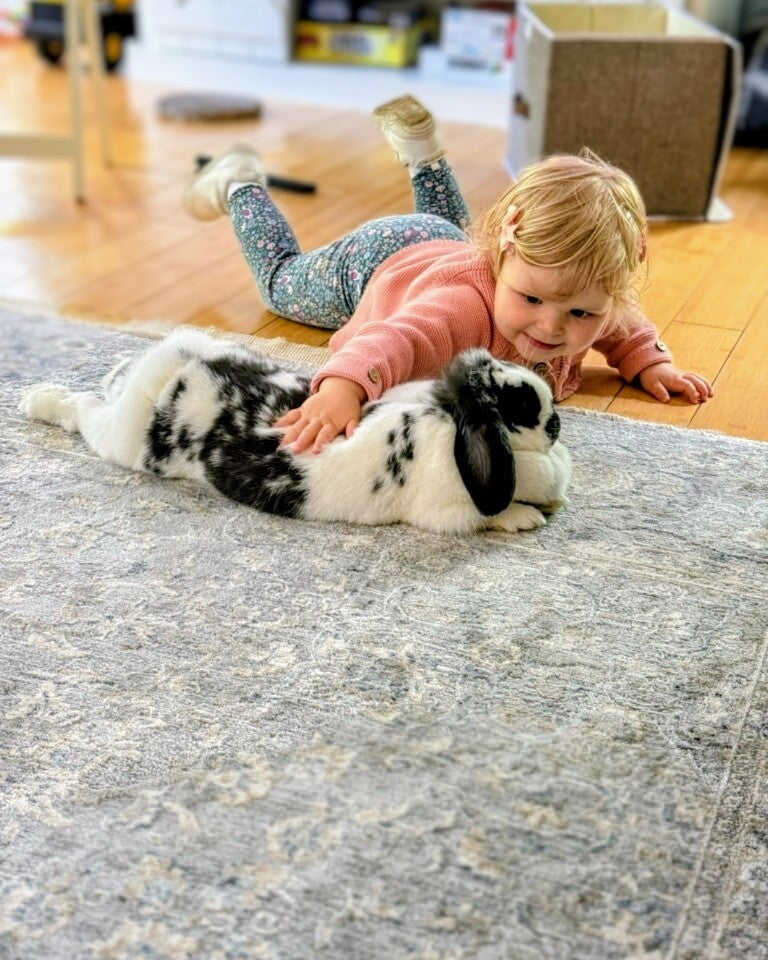
When a rabbit has a companion, it becomes more confident, more secure, and more socially open. This means that your bunny is more likely to seek out human interaction—not less. The presence of another rabbit reinforces your bunny’s natural “herd instinct,” making them more curious and engaged with the world around them, including their human family.
Just like a confident child who makes friends easily at school, a rabbit that feels safe and emotionally supported by a companion is more willing to explore, learn, and bond.
Two Rabbits, Double the Love—But Not Double the Work
Another common hesitation is the fear that two rabbits will be significantly harder to care for than one. The good news? Caring for a pair is only slightly more work.
- Housing: A properly sized enclosure for one rabbit is already fairly spacious. For two rabbits, you often just need to size up slightly—or create shared free-roam areas.
- Feeding: They eat the same food, and you simply double the portion sizes.
- Cleaning: Litter box training is easy with bonded pairs, and cleaning one box versus two is only a minor change in routine.
- Time: Two rabbits entertain and comfort each other when you're away. You no longer have to worry about your rabbit being lonely while you're at work or asleep.
In short, the lifestyle change between one rabbit and two is minimal—but the emotional and behavioral benefits are immense.


Q & A
- “What if they don’t bond?”
At Lillis Lops, we offer help and guidance on bonding rabbits safely and successfully. In many cases, adopting a pre-bonded pair is the best solution for new rabbit owners. Rabbits that are bonded young often stay lifelong companions. - “Isn’t it more expensive?”
While you may spend a bit more on food or supplies, the cost difference is often minor. The value in your rabbits' well-being and long-term happiness far outweighs the extra expenses. - “My space is limited.”
You don't need a mansion to house two rabbits. A well-designed pen, access to free-roam time, and some vertical space (like hideouts or ramps) can comfortably support a pair.

The Bottom Line: Happy Rabbits, Happy Owners
At Lillis Lops Rabbitry, we’ve seen time and again that rabbits raised and rehomed in pairs are more content, more playful, and more affectionate—not just with each other, but with their humans.
When you bring home two bunnies, you’re not just doubling the joy—you’re giving your rabbits the life they were meant to live. The quiet companionship of another rabbit brings comfort and confidence, and that often means a more engaging, sociable pet for you.
So if you're thinking of welcoming a rabbit into your life, we encourage you to consider a bonded pair. It's one of the best decisions you can make—not just for them, but for you.
Interested in adopting a pair or learning more? We’re always happy to help match you with the perfect bunny duo for your family.
Contact us and start your bunny journey today.
The journey begins on our waitlist. Join us for upcoming reservation opportunities.
Frequently asked questions
Should I get one or two bunnies?
Rabbits are naturally social animals and truly thrive with a bonded companion. In pairs, they groom one another, play together, and provide constant comfort and security. We consistently see how much happier, more confident, and emotionally balanced bunnies are when they have a friend. While a single bunny can do well with dedicated human interaction, a bonded pair allows them to express their natural behaviors and live a fuller, healthier life. Whenever possible, we encourage adopting an already bonded pair for the smoothest and happiest experience.
Male or female — which is better?
Both males and females make wonderful pets. Personality matters far more than gender. We focus on temperament and will help guide you toward the bunny that best fits your family and lifestyle.
How much does transport cost?
Transport fees depend on distance and travel arrangements. We work carefully with trusted transport options when needed. Once we know your location, we can provide an accurate estimate.
How much do your bunnies cost?
Our adoption fees vary depending on the bunny and pairing. Each bunny is hand-raised with intentional care, early socialization, and ongoing support. For current pricing, please fill out our waitlist form and we’ll happily share more details.
Can my bunnies live outside or inside?
Rabbits can live happily either indoors or outdoors, as long as they are provided with proper care and protection. The most important factors are safety, space, shelter, companionship, and daily interaction.
Indoor rabbits benefit from being closely integrated into family life and are protected from weather and predators. Outdoor rabbits can also thrive when they have secure, predator-proof housing, protection from extreme temperatures, clean bedding, and plenty of enrichment and attention.
Whichever setup you choose, the key is thoughtful preparation and consistent care. We’re always happy to help you determine what environment will work best for your home and climate. 🤍
Which breed is the most friendly?
This is one of the questions we hear most often. While certain breeds have general tendencies, true friendliness comes from intentional breeding and early socialization.
At Lilli’s Lops, we have spent years carefully refining our lines specifically for calm, affectionate, people-oriented temperaments. Our bunnies are not simply bred to meet traditional standards — they are bred to thrive in family homes. Personality is our priority, and it shows in the consistency of our lines.
When choosing a breed, size and coat type are usually the biggest differences — because friendliness is something we intentionally preserve across all of our bunnies.
Our Breeds
Mini Plush Lops
Our Mini Plush Lops are incredibly soft with a dense, velvety coat. They are typically 3–4.5 pounds fully grown. These bunnies tend to be calm, affectionate, and very people-focused, with a slightly more relaxed temperament.
Mini Netherland Dwarf Lops (Our Signature Line)
Our own carefully developed line, created from Holland Lop / Mini Plush Lop × Netherland Dwarf pairings. These bunnies are small, compact lops with the petite size influence of the Netherland Dwarf, typically around 2–3.5 pounds fully grown. They are expressive, sweet, and full of personality — combining compact size with refined, friendly temperaments we have worked generations to establish.
Holland Lops
Small and classic in appearance, usually 2–4 pounds fully grown. They are playful, affectionate, and well-known for their adorable compact build and lopped ears.
Mini Lops
The largest of our breeds, generally 4–6.5 pounds fully grown. Mini Lops are sturdy, confident, and often very easygoing. Many families appreciate their slightly larger size and balanced temperament.
Because we prioritize temperament across generations, you truly can’t go wrong. The “best” breed often comes down to size preference, coat type, and the overall look you love most. We are always happy to help guide you toward the perfect fit for your home. 🤍