

Rabbit Housing & Setup Guide
Creating a safe, clean, and happy home for your bunny.
At Lilli’s Lops, we believe that a rabbit’s home should feel like a peaceful haven — a place where they can play, rest, and express all their natural bunny behaviors. Whether your rabbit lives indoors or outdoors, this guide will help you design a setup that keeps them healthy, secure, and deeply content.
The journey begins on our waitlist. Join us for upcoming reservation opportunities.
Understanding Your Bunnies Needs
Before diving into setups and supplies, it’s important to remember that rabbits are highly intelligent, active, and social animals. They aren’t “cage pets” — they need room to move, stretch, explore, and interact.
When setting up your rabbit’s living space, think in terms of:
- Safety: No sharp edges, toxic materials, or predator access
- Comfort: Soft flooring, good airflow, and temperature control
- Space: Enough room to hop, stretch, and binky freely
- Stimulation: Toys, tunnels, chew items, and human interaction
A rabbit’s environment shapes its behavior, trust, and long-term health.

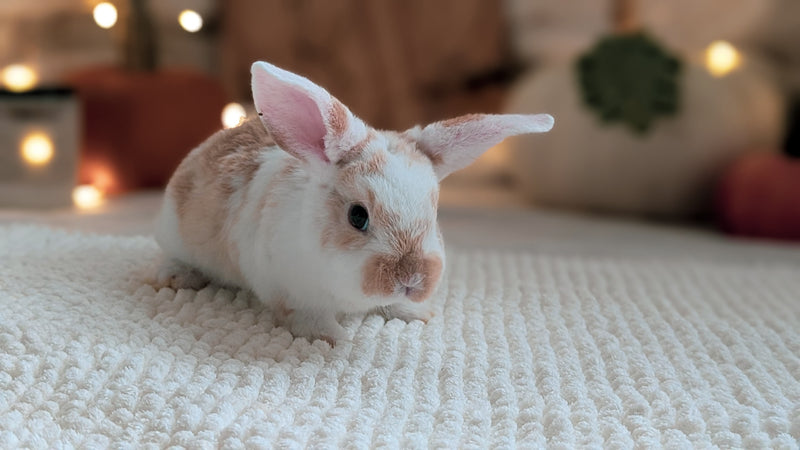
Indoor Housing Options
Indoor housing allows your rabbit to be part of your daily life — a wonderful way to bond and keep them protected from weather and predators.
Exercise Pen (X-Pen) Setup
This is one of the best all-around setups for house rabbits.
What you’ll need:
- 36–42” tall exercise pen
- Waterproof mat or washable rug underneath
- Litter box in one corner
- Hay rack or hay basket near the litter box
- Hidey house or tunnel for security
- Toys and chews scattered around
Tip: Keep the litter box and hay side-by-side — rabbits love to munch while they potty!
This setup is flexible, easy to clean, and adaptable to any room layout.
C&C Grid or Modular Enclosures
C&C (cube & coroplast) grids can be arranged into creative custom enclosures. They’re great for maximizing space in smaller homes.
- Allows multiple levels or sections (sleep, play, potty)
- Easy to expand as your rabbit grows
- Add fleece liners or soft rugs for traction
Free-Roam Living
If your bunny is litter-trained, free-roaming is the gold standard. They can explore a bunny-proofed area or even your whole home.
Bunny-Proofing Essentials:
- Cover or lift electrical cords
- Block baseboards with plastic guards
- Keep toxic houseplants out of reach
- Supervise introductions to other pets
Many owners create a “bunny room” — part living space, part play area, filled with hideouts, hay, and enrichment.
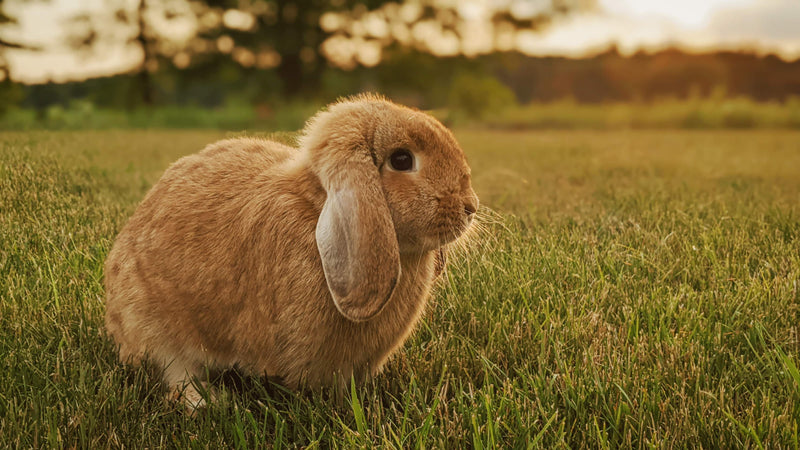
Outdoor Housing & Enclousures
Outdoor setups can work beautifully if they are built with safety, temperature, and predator protection in mind. Rabbits can enjoy fresh air and natural light — but they must be well-secured and protected from heat, cold, and fear.
Essential Features of a Safe Outdoor Hutch
- Predator-proof construction: solid locks, hardware cloth, sturdy wood or metal
- Shade and ventilation: avoid direct sun; ensure airflow without drafts
- Weather protection: roof overhangs, insulated walls, dry bedding
- Attached run: allows daily exercise without exposure
Minimum space:
A hutch should allow your rabbit to stretch fully in every direction and have at least 3x their body length of hopping room.
Hutch & Run Combo
A sturdy, weatherproof hutch attached to a secure run is ideal for outdoor living.
What you’ll need:
- Solid, raised hutch with a waterproof roof
- ½” hardware cloth (never chicken wire)
- Shaded area and covered roof section
- Hay bedding or straw for warmth
- Litter box and water bowl inside
- Tunnel or ramp between hutch and run
Tip: Face the hutch away from direct sun and wind. Shade and airflow are key in summer, while solid walls and straw insulation keep things cozy in winter.
Predator & Weather Protection
- Bury wire 12" deep or skirt it outward to stop digging predators.
- Use secure latches — raccoons are clever!
- Add windbreaks, roof panels, or tarps for weather extremes.
Enrichment Outdoors
Rabbits thrive when they can dig, chew, and explore.
Add tunnels, willow leaves, branches (apple or willow), and dig boxes.
Rotate toys and offer safe forage like herbs or dandelion greens.

Flooring & Bedding
Soft, clean flooring helps your rabbit feel comfortable, supported, and right at home. The right materials make daily cleanup easy and keep your setup looking neat and fresh.
Great Flooring Options
- Fleece liners – Washable, cozy, and perfect for indoor pens
- Seagrass mats or low-pile rugs – Add traction and a natural feel
- Paper or aspen bedding – Great for nesting areas or litter box corners
Tip: Use a waterproof mat or coroplast sheet underneath for simple cleanup and to protect floors from spills.
Litter Training Setup
Rabbits are naturally tidy and usually pick one corner to use as their bathroom — which makes litter training simple and stress-free.
What You’ll Need
- A medium or large litter box (low entry for easy hopping)
- Paper or wood pellet litter (unscented and absorbent)
- A hay rack or basket right beside the box
- Optional puppy pad or mat underneath for easy cleanup
How to Set Up
- Place the litter box in the corner your rabbit prefers.
- Add a thin layer of litter and a handful of hay on top.
- Refresh hay and spot clean daily.
Tip: Rabbits love to munch while they potty — keeping hay near or inside the litter box encourages good habits from day one.


Enrichment & Layout Ideas
A happy rabbit is a curious rabbit! Enrichment keeps them active, prevents boredom, and strengthens your bond. Even small setups can feel exciting and dynamic with a few thoughtful touches.
Simple Enrichment Ideas
- Tunnels & hideouts – Offer a sense of safety and fun
- Chews & toss toys – Help wear down teeth and encourage play
- Dig boxes – Fill with shredded paper, hay, or dried herbs for natural foraging
- Forage trays – Sprinkle dried herbs or pellets through hay for a daily “treasure hunt”
Layout Tip:
Arrange your space with zones — one for resting, one for eating, one for litter, and one for play. It helps your bunny feel secure and keeps everything organized.
Temperature, Lighting, and Comfort
Rabbits are most comfortable in cool, steady conditions. They don’t handle heat well, so keeping their space shaded, ventilated, and draft-free is key to their well-being.
Ideal Conditions
- Temperature: 55–70°F is the sweet spot
- Ventilation: Gentle airflow without direct drafts
- Lighting: Natural daylight cycles help regulate sleep and activity
- Shade: For outdoor setups, always provide covered areas out of the sun
Tip: In warmer months, offer frozen water bottles or ceramic tiles to lounge on. In cooler weather, add extra straw, blankets, or insulated hideouts for cozy comfort.
Cleaning & Maintenance
A clean space keeps your rabbit healthy and your setup fresh. With just a few simple routines, it’s easy to stay on top of messes and odors.
Daily
- Refresh water and hay
- Scoop litter boxes
- Spot clean any accidents or soiled bedding
Weekly
- Replace litter completely
- Wash food and water bowls
- Wipe down mats, hideouts, and pen panels
Monthly
- Deep-clean the entire area with pet-safe cleaner
- Launder fleece liners or rugs
- Check for wear on toys, flooring, or chew areas
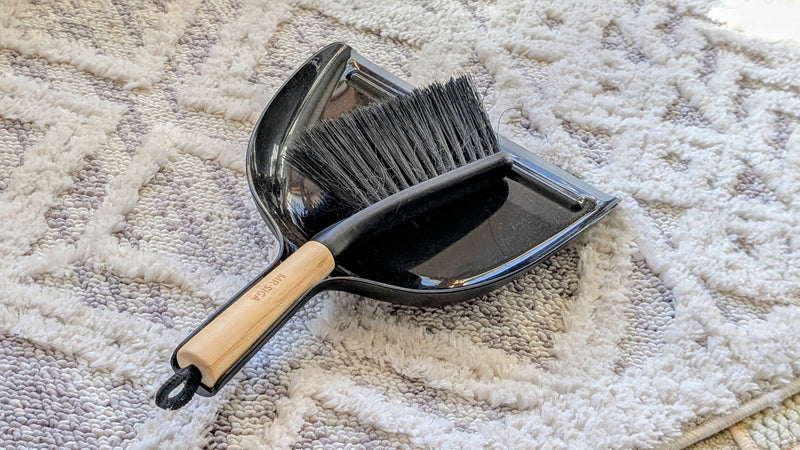
Tip: Keeping a small broom, dustpan, and spray bottle nearby makes quick cleanups effortless — and helps your rabbit stay happy in a fresh, comfy space.

Bringing it all together
Your rabbit’s setup is more than just housing — it’s their world. Whether you choose a cozy indoor pen, a spacious outdoor enclosure, or a full free-roam lifestyle, every detail you add helps create comfort, safety, and joy.
A thoughtfully arranged space encourages natural behavior, easy litter habits, and that calm, curious confidence every happy rabbit shows. As you learn what your bunny loves best, their setup will grow and change with them — becoming a reflection of your care and connection.
Next up: Rabbit Nutrition & Feeding — building a diet that supports health from the inside out.
Join Our Community
Stay connected for first access to new arrivals, special offers, and expert bunny care tips. We’ll share thoughtful updates, seasonal releases, and helpful guidance — all designed with your bunny’s wellbeing in mind.
Frequently asked questions
Should I get one or two bunnies?
Rabbits are naturally social animals and truly thrive with a bonded companion. In pairs, they groom one another, play together, and provide constant comfort and security. We consistently see how much happier, more confident, and emotionally balanced bunnies are when they have a friend. While a single bunny can do well with dedicated human interaction, a bonded pair allows them to express their natural behaviors and live a fuller, healthier life. Whenever possible, we encourage adopting an already bonded pair for the smoothest and happiest experience.
Male or female — which is better?
Both males and females make wonderful pets. Personality matters far more than gender. We focus on temperament and will help guide you toward the bunny that best fits your family and lifestyle.
How much does transport cost?
Transport fees depend on distance and travel arrangements. We work carefully with trusted transport options when needed. Once we know your location, we can provide an accurate estimate.
How much do your bunnies cost?
Our adoption fees vary depending on the bunny and pairing. Each bunny is hand-raised with intentional care, early socialization, and ongoing support. For current pricing, please fill out our waitlist form and we’ll happily share more details.
Can my bunnies live outside or inside?
Rabbits can live happily either indoors or outdoors, as long as they are provided with proper care and protection. The most important factors are safety, space, shelter, companionship, and daily interaction.
Indoor rabbits benefit from being closely integrated into family life and are protected from weather and predators. Outdoor rabbits can also thrive when they have secure, predator-proof housing, protection from extreme temperatures, clean bedding, and plenty of enrichment and attention.
Whichever setup you choose, the key is thoughtful preparation and consistent care. We’re always happy to help you determine what environment will work best for your home and climate. 🤍
Which breed is the most friendly?
This is one of the questions we hear most often. While certain breeds have general tendencies, true friendliness comes from intentional breeding and early socialization.
At Lilli’s Lops, we have spent years carefully refining our lines specifically for calm, affectionate, people-oriented temperaments. Our bunnies are not simply bred to meet traditional standards — they are bred to thrive in family homes. Personality is our priority, and it shows in the consistency of our lines.
When choosing a breed, size and coat type are usually the biggest differences — because friendliness is something we intentionally preserve across all of our bunnies.
Our Breeds
Mini Plush Lops
Our Mini Plush Lops are incredibly soft with a dense, velvety coat. They are typically 3–4.5 pounds fully grown. These bunnies tend to be calm, affectionate, and very people-focused, with a slightly more relaxed temperament.
Mini Netherland Dwarf Lops (Our Signature Line)
Our own carefully developed line, created from Holland Lop / Mini Plush Lop × Netherland Dwarf pairings. These bunnies are small, compact lops with the petite size influence of the Netherland Dwarf, typically around 2–3.5 pounds fully grown. They are expressive, sweet, and full of personality — combining compact size with refined, friendly temperaments we have worked generations to establish.
Holland Lops
Small and classic in appearance, usually 2–4 pounds fully grown. They are playful, affectionate, and well-known for their adorable compact build and lopped ears.
Mini Lops
The largest of our breeds, generally 4–6.5 pounds fully grown. Mini Lops are sturdy, confident, and often very easygoing. Many families appreciate their slightly larger size and balanced temperament.
Because we prioritize temperament across generations, you truly can’t go wrong. The “best” breed often comes down to size preference, coat type, and the overall look you love most. We are always happy to help guide you toward the perfect fit for your home. 🤍